
Sun Damage, Dark Spots & Skin Cancer Risks in Kenya
Kenya’s warm, sunny climate is beautiful, but year-round sun exposure can silently damage your skin. While a healthy glow is often seen as a beauty standard, prolonged UV exposure increases the risk of sun damage, dark spots, premature ageing and skin cancer.
We believe that education and early detection are just as important as treatment.
Why Sun Damage Is a Serious Concern in Kenya
Because Kenya lies almost directly on the equator, ultraviolet (UV) radiation levels remain high throughout the year. This means your skin is constantly exposed to:
- UVA rays (ageing and deep skin damage).
- UVB rays (burning and cancer-causing damage).
Even people with darker skin tones, who have more natural protection are still at risk of skin cancer and long-term sun damage.
Common Signs of Sun Damage You Shouldn’t Ignore
Many people confuse sun damage with normal pigmentation. Warning signs include:
1. Dark Spots and Uneven Pigmentation
These may appear as:
- Flat brown or black spots.
- Freckle-like patches that grow over time.
- Melasma or sun spots on the face, neck, hands and chest.
2. Changes in Moles
Check your moles for the ABCDE warning signs of melanoma:
- A – Asymmetry
- B – Border irregularity
- C – Colour changes
- D – Diameter larger than 6mm
- E – Evolving (shape, size, colour, or sensation)
If you notice any of these, you should seek medical evaluation immediately.
3. Rough, Scaly or Non-Healing Patches
Precancerous skin lesions can appear as:
- Persistent dry or crusty spots.
- Sores that don’t heal.
- Patches that bleed, itch or feel tender.
These require prompt medical attention.
Skin Cancer Risk in Darker Skin Tone
A dangerous myth in Africa is that “dark skin cannot get skin cancer.” While melanin provides some protection, skin cancer still occurs in African skin, often diagnosed late because warning signs are ignored.
In darker skin tones, skin cancer often appears on:
- Palms of hands
- Soles of feet
- Under nails
- Inside the mouth
Early detection saves lives.
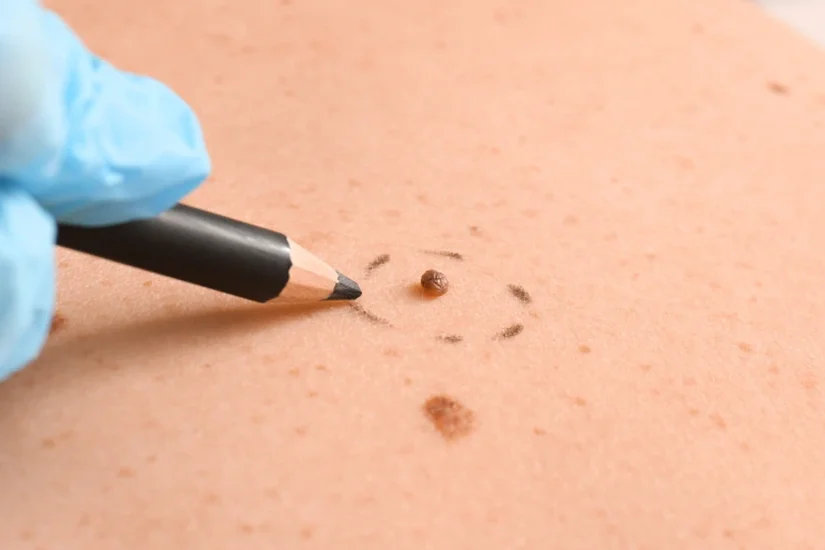
At our Medical Spa, we provide mole mapping skin assessments and advanced treatments that address both cosmetic and medical skin concerns.
How to Protect Your Skin from Sun Damage in Kenya
Prevention is the most powerful anti-ageing and cancer-prevention tool.
- Use broad-spectrum SPF 30–50 daily, even on cloudy days.
- Reapply sunscreen every 2 to 3 hours outdoors.
- Wear hats and sunglasses.
- Avoid direct midday sun (from 10am to 4pm).
- Maintain regular skin checks.
Protect Your Skin for Life
Living in Kenya means enjoying sunshine, but it also means you must protect your skin. Prevention, early detection and professional care are the best tools against sun damage and skin cancer. Book a dermatological skin assessment in Nairobi today.
Explore more Insights
Laser Tattoo Removal – Everything You Need to Know
Ever looked at your old tattoo and thought, “What was I thinking?” With…
Struggling with Stretch Marks & Scars?
Are you tired of hiding your stretch marks or scars under clothes? You’re…

HydraFacial vs. Chemical Peel – Which One Should You Choose?
If you’ve been searching for the ultimate skin refresh in Nairobi, two…

Microneedling for Acne Scars – Restore Smooth, Clear Skin
At Dr. Stasch MediSpa in Nairobi, we offer advanced microneedling…
Cosmelan® Chemical Peel – A Brighter, Smoother Skin
We are happy offer your a revolutionary solution: the Cosmelan® Chemical…
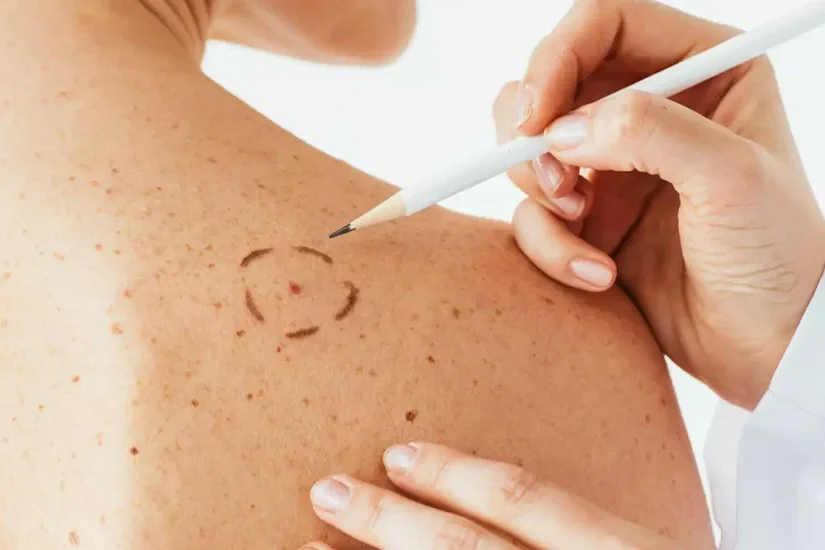
Mole Mapping – Early Detection of Skin Cancer
You might have heard of Mole Mapping in Kenya. It is a skin examination…